EDUCATION PROGRAMS
Sitka WhaleFest week is an educational extravaganza, bursting at the seams with educational activities that revolve around the weekend symposium event. All ages of curious learners – from young children in a “Tiny Tales” program through adults in a scientific illustration workshop – revel in the opportunities to explore new ideas and try their hand at unique science and art endeavors.
SCIENTISTS IN SCHOOLS
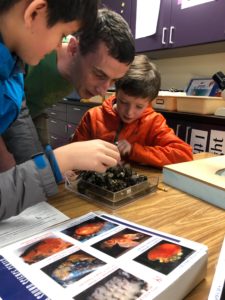
Over two decades ago, Sitka WhaleFest organizers launched the program “Scientists in the Schools” to connect visiting WhaleFest speakers with local students. SWF provided a rich opportunity to extend science outreach to schools. Currently, Scientists in the Schools (SIS) is an expanded effort that goes beyond the Sitka WhaleFest symposium to embed scientists in schools throughout the year where they best fit with the curriculum. The legacy of the Sitka WhaleFest education vision is that scientists, engineers, naturalists, and knowledge bearers work with every grade level in all schools in Sitka.
Thanks to funding and support from a USDA grant through the University of Alaska Southeast this program has been able to grown beyond its roots.
University of Alaska Southeast
Each year, Dr. Heidi Pearson’s university course travels to Sitka WhaleFest to participate in lectures and workshops as part of the curriculum.
Ocean Bowl
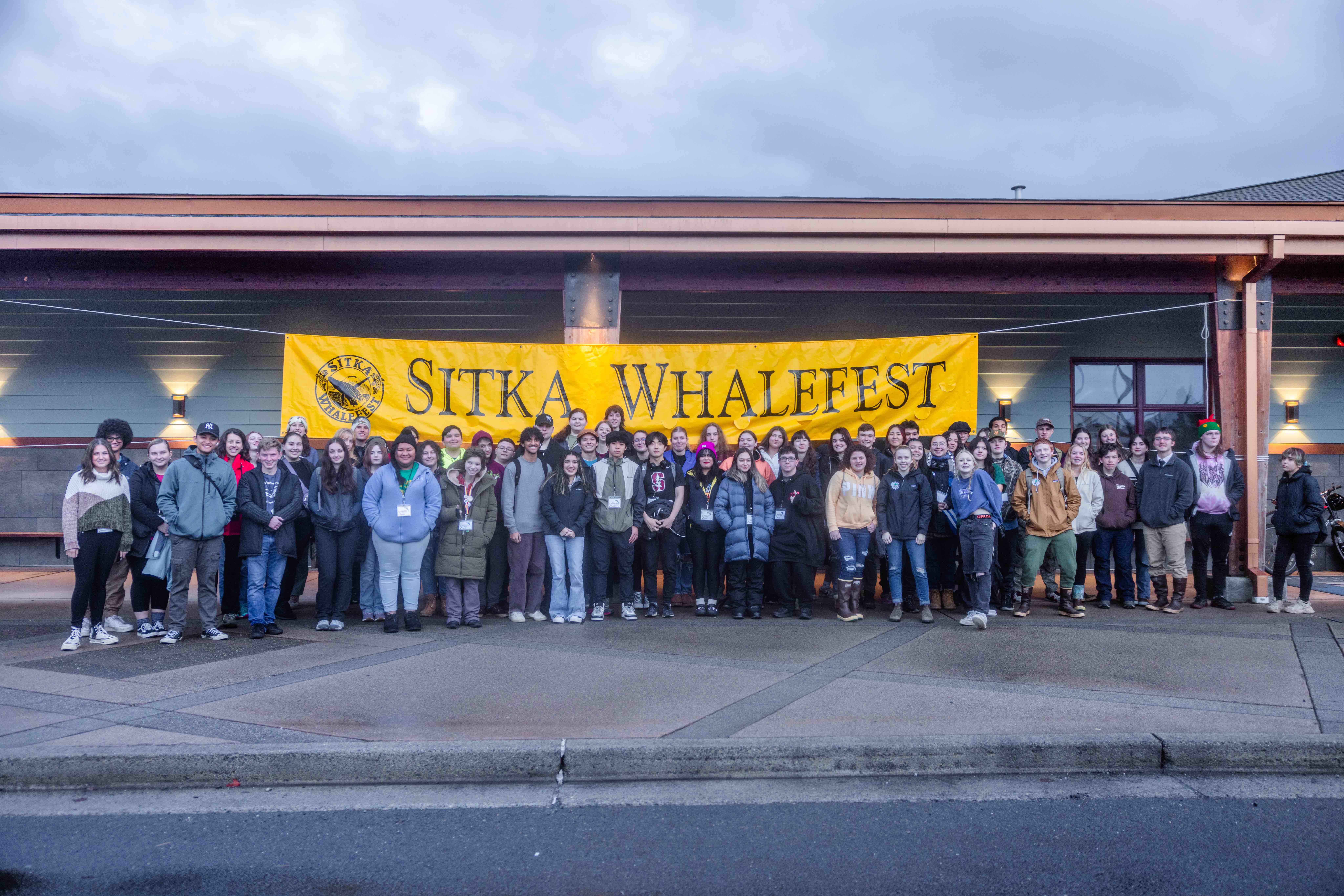
The annual Southeast Alaska Regional competition for local National Ocean Science Bowl (NOSB) teams takes place at the University of Alaska Southeast Sitka Campus. NOSB is an academic competition for high school students that focuses on ocean-related topics in a quiz bowl format. High school teams from throughout Southeast Alaska gather to compete in this no-stakes regional quiz bowl organized by Dr. Ellen Chenoweth. The students also participate together in symposium lectures, exploratory workshops, and other WhaleFest events.
Fish Tissue Sampling Workshop
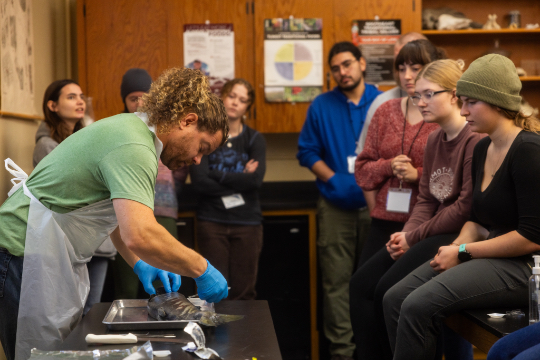
State of Alaska toxicologist, Dr. Andrew Cyr, shares data from long-term sampling and fish toxicology testing in Alaska. During this workshop, students will learn how to sample tissues from local salmon. All samples are then analyzed and included in larger datasets, allowing students to take part in ongoing community-based science research while learning technical skills.
Tiny Tales
While parents and caregivers attend lectures, younger children can participate in WhaleFest through books, movement activities, and projects related to the WhaleFest yearly theme.